
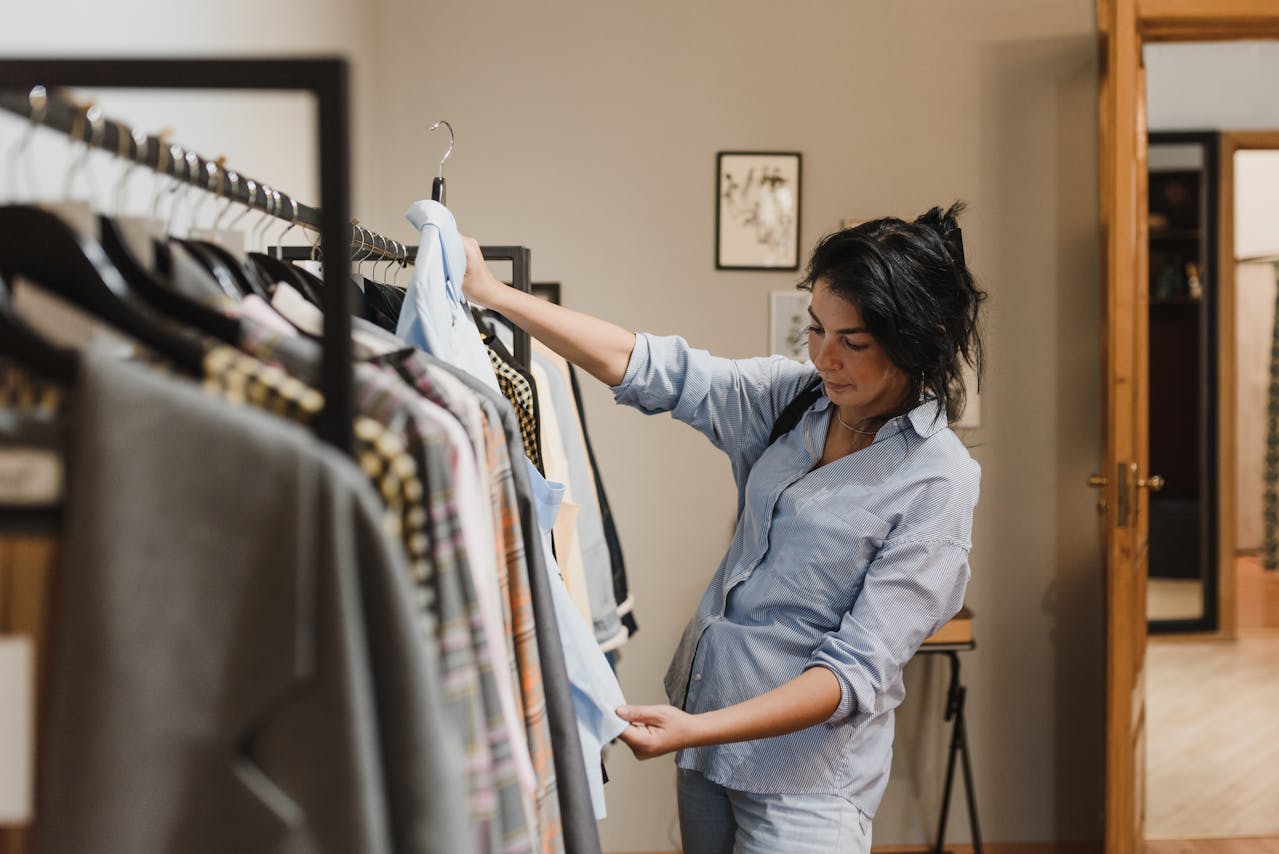
The Savvy Woman’s Guide to Buying Clothes That Go the Distance
In an era where the fast fashion churns out trends faster than they disappear, the smart woman’s strategy is clear: invest in wardrobe pieces that blend practicality with longevity. From the perfect jacket to the everyday go-to pants, it’s all about what works repeatedly—and comfortably. If you’re looking to start with one staple, you can read more here to explore must-have trousers for a flexible wardrobe, a foundational item that works hard across seasons and settings.
This article will walk you through how to shop smarter and spot wardrobe pieces that are truly worth your money, time, and closet space.
Know Your Materials
Durability begins with fabric. While synthetics may appear modern, they often degrade quickly, losing shape or pilling. Focus instead on natural or blended fibers with proven longevity—think cotton with a touch of spandex for flexibility, or wool blends that retain warmth and structure. Avoid items that feel overly thin, shiny, or limp. These often indicate short lifespans and limited versatility. In contrast, garments with a little weight and structure often wear better and remain in circulation far longer.
Test the Stitching
You don’t need to be a seamstress to judge construction. Turn garments inside out and observe the stitching. Loose threads, skipped sections, or uneven seams are signs of rushed production and poor durability. On the other hand, even stitching and reinforced areas—especially at stress points like shoulders, waistbands, or hems—signal higher-quality manufacturing. For items like trousers and blouses that see frequent wear, this quick check could mean the difference between a season and several years of use.

Versatility is a Quiet Power
Garments that blend well with others earn their keep quickly. Pieces in neutral colors or subtle patterns tend to cooperate more freely with your existing wardrobe. A solid pair of trousers in black, navy, or gray, for instance, can anchor countless combinations. Versatile clothing doesn’t mean boring—look for thoughtful details like an interesting cuff, an asymmetrical neckline, or innovative closures that elevate a staple without dating it. The idea is to find balance between timeless and modern.
Read the Label, Then Read Between the Lines
Clothing labels contain more than size and price. The care instructions, fiber content, and country of origin can reveal a lot. “Dry clean only” isn’t necessarily a deal-breaker, but too many such items in one wardrobe can result in high upkeep costs and limited flexibility. Likewise, washing machines can be brutal on poorly made garments. Look for items that promise both style and practicality—clothes that don’t fall apart after one wash cycle or require delicate handling every time you wear them.
Fit for Now—Not an Imagined Later
Buy for the body you have today. Clothes that are aspirational—”I’ll wear this when I lose ten pounds”—tend to sit untouched. A good fit boosts both comfort and confidence. That said, don’t be afraid to slightly alter a piece that’s nearly right. Minor tweaks can make affordable pieces feel upgraded. Stretch trousers, in particular, offer a forgiving silhouette that adapts with you. They’re part of the reason so many style editors recommend starting with them when curating a long-lasting wardrobe. The flexibility of their fit and purpose makes them a quiet MVP.
Ignore the Urge to Buy Trendy—Focus on Functional
A sequined top or ruffled statement pant may grab attention, but how often will you wear them? Pieces that work in multiple settings—office, casual, travel—are far more valuable. Seek clothing that doesn’t scream a particular trend or decade. Trends fade. Utility lasts. Invest in items that make getting dressed simpler, not harder.
Prioritize Comfort with Style
There’s no point in owning clothes that you can’t wait to take off. Look for items that strike the balance between feeling good and looking good. Stretch trousers, soft knits, and structured-yet-moveable jackets fall into this category. Comfort doesn’t mean careless. It means feeling free in what you wear, not boxed in by stiff seams, poking zippers, or tight waistbands.
Final Thoughts
At the heart of a lasting wardrobe is intention. By focusing on quality over quantity, fit over fantasy, and comfort over trend-chasing, you build a closet that supports your lifestyle—not just your image. Smart shopping means asking more of each piece: Can it endure frequent wear? Will it pair easily with what you already own? Does it feel as good as it looks? When the answer is yes, you’ve found more than just clothing—you’ve found value.