
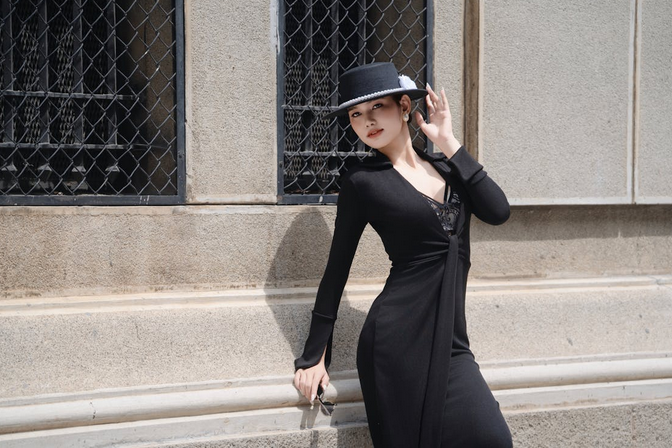
Dressing for Your Body Type: Fashion Tips That Highlight Your Best Features
Fit matters more than trends because it determines how clothes interact with your body, not just how they look on a hanger. The right fit enhances your natural shape, smooths lines, and supports posture. When something fits properly, it flatters without effort. You don’t fidget or adjust throughout the day, and that comfort translates into confidence. Again, learning how to enhance your personal style starts with understanding the right fit. Clothes that are too tight can restrict movement and draw attention to areas unintentionally. On the other hand, oversized pieces may hide your form and look unpolished. Neither option lets your best features shine. That’s why proper tailoring is so valuable. It transforms off-the-rack clothing into pieces that feel made for you.
Identifying Your Body Type
Before dressing to flatter your shape, understand it. Everyone has a different build. Some people have broader shoulders. Others carry more weight in the hips or waist. You might be rectangular, pear-shaped, hourglass, or inverted triangles. There’s no better or worse only different. Knowing your shape helps guide what clothing cuts suit you best.
Accentuating the Waistline

The waist is a natural focal point. Whether it’s defined or subtle, highlighting it adds structure to any look. For those with a defined waist, fitted tops and high-rise bottoms enhance curves. If your waist is less prominent, opt for wrap styles or belts that create shape. This draws the eye inward and balances your proportions. Avoid shapeless pieces that hide your form.
Choosing Fabrics That Complement
Fabric impacts how clothes fall and feel. Stiff materials add structure and can define shape, great for creating lines. Softer fabrics drape and flow, better for softening areas. If you want to add volume to a smaller upper or lower half, use thicker materials or layered textures. For a more slimming look, lightweight fabrics that skim the body help. Always consider how the material interacts with your body type.
Balancing Top and Bottom Proportions

Balance is key in styling. If you have a fuller bottom half, structured tops or statement shoulders can even out your frame. On the other hand, if your upper half is broader, darker tops paired with wide-leg or A-line bottoms help create harmony. The goal is to guide the eye naturally, rather than draw attention to one specific area. Layering smartly also helps create that balance without adding bulk.
Using Color and Pattern Wisely
Color can shape perception. Darker tones tend to minimize, while lighter or brighter ones highlight. Wearing darker shades on areas you want to downplay and brighter shades where you want to draw attention helps create balance. Patterns also play a role. Vertical stripes elongate. Smaller prints are subtle; larger ones demand attention. Use these tools to guide your focus toward your strongest features.
While dressing for your body type offers structure, personal style makes it feel like you. It’s not about following strict rules. It’s about using guidelines to show off what you love most about yourself. Each person’s style is unique, and how you present yourself should reflect that. Choose pieces that feel authentic. When you feel like yourself in your clothes, that’s when you truly stand out.