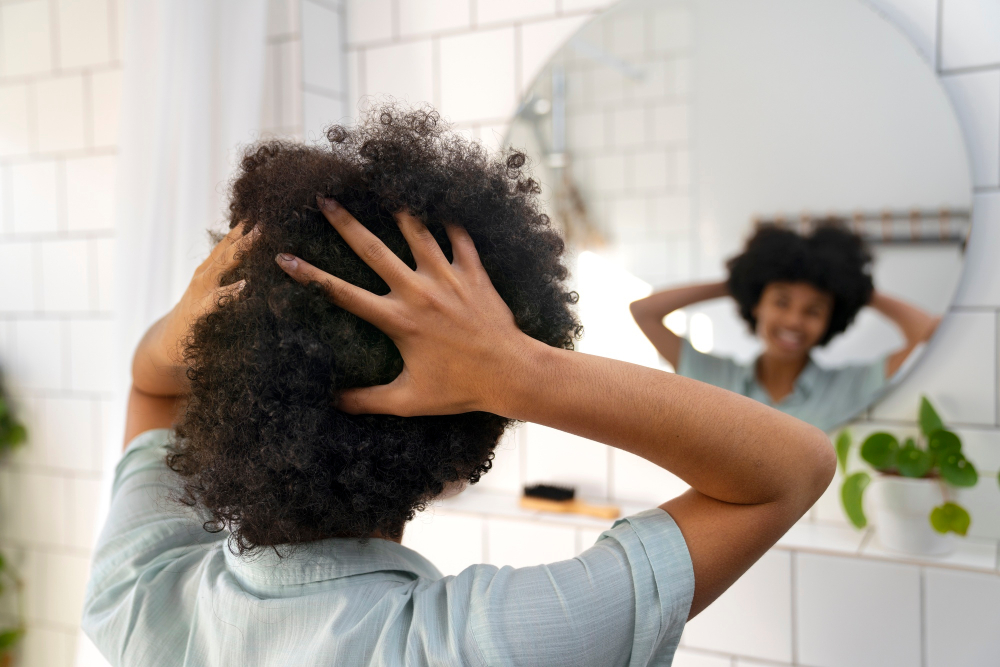
mirror
Curly Hair Mistakes I Regret Making (So You Don’t Have To)

Curly hair doesn’t come with a manual, but it probably should. I eventually found how to care for curls without creating waste, and it changed my entire routine and mindset. For years, I did everything I thought was right: shampooed often, brushed daily, loaded up on heavy products. My curls? Dry, undefined, and frustrated, much like me. I wish I had known how much those habits were working against me and the environment. Here’s what I wish I had stopped doing earlier. I hope you don’t make the same mistakes, so you can get the best curly hair that really steals the show.

Washing Like I Had Straight Hair

washing hair

Old habits die hard. I treated my curls like they were straight, lathering up every day with foamy shampoo. It felt clean, sure, but stripped. My hair was left dry, frizzy, and almost crunchy. Curls aren’t meant to be washed that often. Two to three times a week is usually enough. And a gentle cleanser without sulfates makes a huge difference.

Using Regular Towels Like They Were Harmless

This one stings. I thought a towel was just a towel. But those fluffy cotton loops rough up the hair cuticle and wreck curl definition. It’s like sanding your hair every time you dry it. Now I use an old t-shirt or a microfiber cloth. No drama. No frizz halo. Just curl patterns that stay in place without the battle.

Brushing Out My Curls (Dry)

hair

I used to brush my hair once it dried, thinking it would look more polished. Instead, I got a triangle-shaped puff and split ends begging for mercy. Dry brushing curly hair breaks the structure that defines each curl. If you need to detangle, do it in the shower, with conditioner in, using fingers or a wide-tooth comb. It takes longer, but your hair stays intact and grateful.

Tossing Empty Bottles Without Thinking Twice

Back then, sustainability was an afterthought. I’d go through products like water and toss containers straight into the bin, pumps, lids, labels, and all. Now I rinse and sort what can be recycled and opt for low-waste alternatives whenever I can. Solid shampoo bars. Refillable conditioners. Multi-use creams. They simplify my shelf and ease my conscience. Caring for curls doesn’t need to be complicated, but it does require some rethinking. If you’re still brushing dry, over-washing, or blindly grabbing whatever’s on sale, you’re not alone.

Slathering on Products Without Reading Labels

bottle

Just because something says “for curly hair” doesn’t mean it belongs on yours. I bought whatever promised bounce and shine, piling it on without checking ingredients. Many of those products were loaded with alcohols, silicones, and fragrances that dried out or weighed down my curls. Now, I go for lightweight, plant-based options with clean formulas. Bonus if they come in refillable or plastic-free packaging.

The good news? Your curls bounce back faster than you think, and so can your routine. The even better news? You can care for your hair in a way that also supports the planet. A few smart changes, some trial and error, and a lot of patience, that’s all it takes.
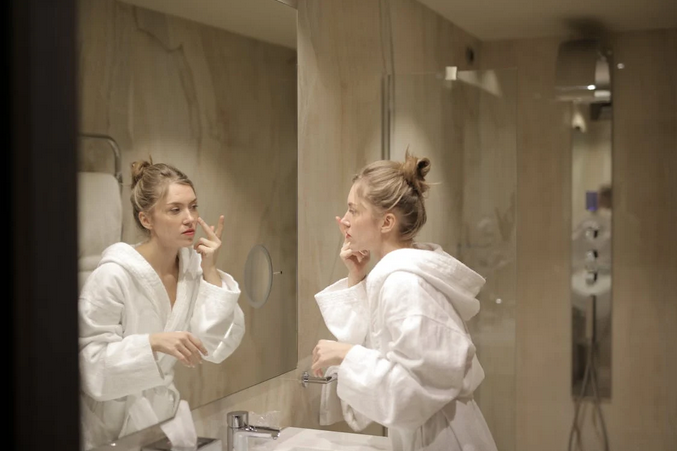
skincare
The Hidden Environmental Cost of Your Skincare Routine

You double cleanse. You moisturize. You put on a sheet mask on Sundays. In fact, as featured in Unsustainable Magazine, there’s growing concern around how our obsession with healthy skin often skips the part where we ask, “Who’s paying for this comfort?” But what if the habits that make your skin glow are actually dimming the planet’s health?

That Fancy Packaging? It’s Mostly Trash

Skincare routines have gotten more elaborate than ever, and so has their environmental footprint. In fact, that fancy packaging, you love? It looks expensive. Feels heavy. Has a nice magnetic cap. But most of that packaging, like those pumps, mirrors, and coated boxes, can’t be recycled. Even worse, many jars are oversized to look more luxurious, while the actual product fills only a fraction of the container. Waste, right out of the box. You throw it away and forget it. The planet doesn’t. And that’s the real problem for everyone on this planet, now and in the future.

Your Microbeads Aren’t So Micro

scrub

They scrub well. They feel satisfying. But they also slide down the drain straight into rivers, lakes, and oceans. Microbeads, AKA those tiny plastic particles in face scrubs or body cleansers, don’t break down. Marine animals swallow them. Then they enter the food chain. What does it mean? It means they end up closer to your plate than you’d like. Several countries have banned them, but they still sneak into certain imports or lesser-known brands. Always check your ingredient list. If you can’t pronounce it and it ends in “polyethylene,” pause.

Sheet Masks Are Convenient and Wasteful

One-time use. Individually wrapped. Saturated in serum. Tossed in the trash within 15 minutes. Sheet masks may feel like luxury, but they’re landfill gold. Most are made from synthetic materials that don’t break down easily. Opting for reusable silicone masks or plain serums in glass bottles can cut this waste significantly.

Imported Products Leave a Bigger Footprint Than You Think

tubes

That serum you love? It traveled thousands of miles to reach your shelf. Planes, trucks, warehouses. The beauty industry thrives on global logistics and burns plenty of fuel in the process. Buying local, or at least regional, helps reduce carbon emissions. It also supports smaller businesses that may be using better sourcing and cleaner practices.

Cleaner Beauty Doesn’t Always Mean Cleaner Conscience

“Green,” “eco,” and “natural” have become marketing gold. But those labels often lack regulation. One brand’s “eco-friendly” might still include ingredients that harm coral reefs or disrupt ecosystems. Brands willing to show their sourcing, explain their packaging choices, and accept accountability are the ones to watch and support.

You don’t have to abandon skincare to protect the planet. You just need to be curious. Ask harder questions. Read the back of the bottle, not just the front. It’s easy to fall for the promise of perfect skin. But at what cost? True beauty isn’t just in your face. It’s in your impact. It’s what you support, what you throw away, what you choose again and again.